How to convert churches into housing
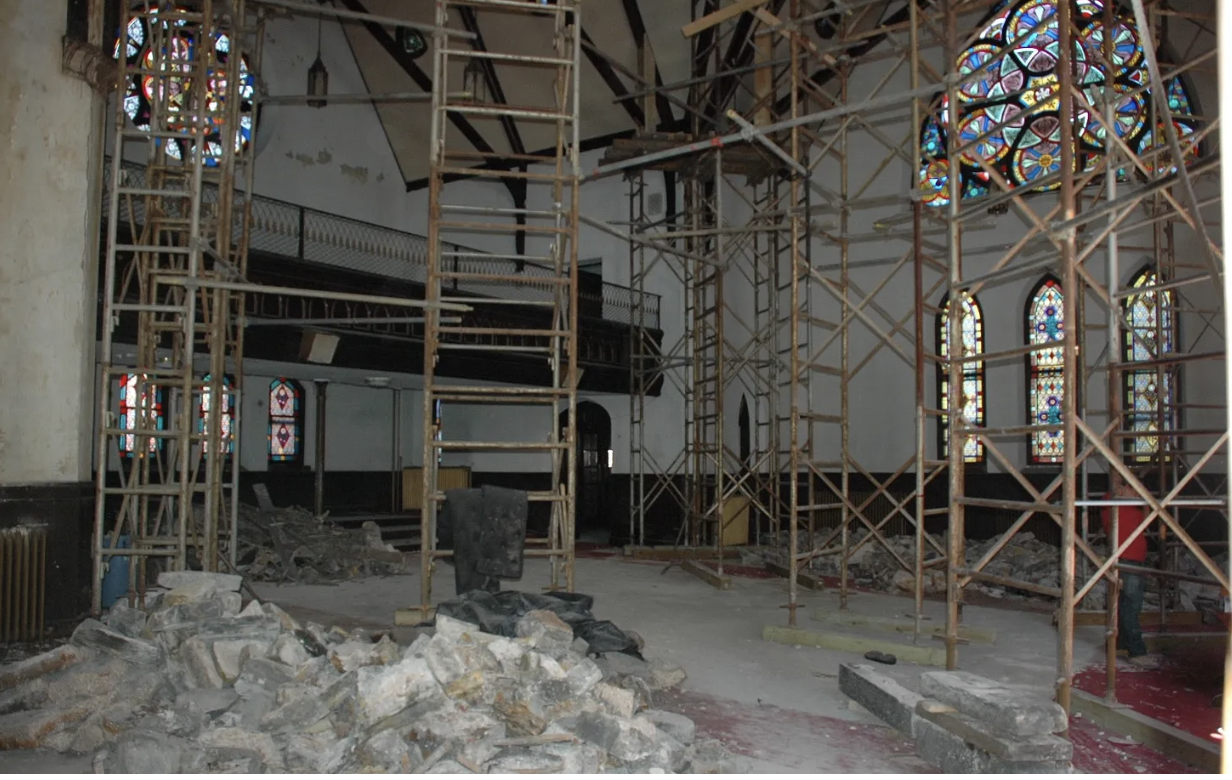
To everything there is a season, and a time for adaptive reuse. - Ecclesiastes 3:1
It is the fate of buildings to outlive the communities that built them. Our urban churches, once the keystone of American faith and heritage, are becoming disinvested or even abandoned. They will return to us as art galleries, restaurants, co-working spaces, and breweries. And of course housing, which our cities need most desperately.
In 2014 we purchased an 1890 church for $25,000. The morning of the auction someone fell through the lobby floor. But over the next few years we remade it into some lovely apartments. Here is what we learned.
“Seek the Church”
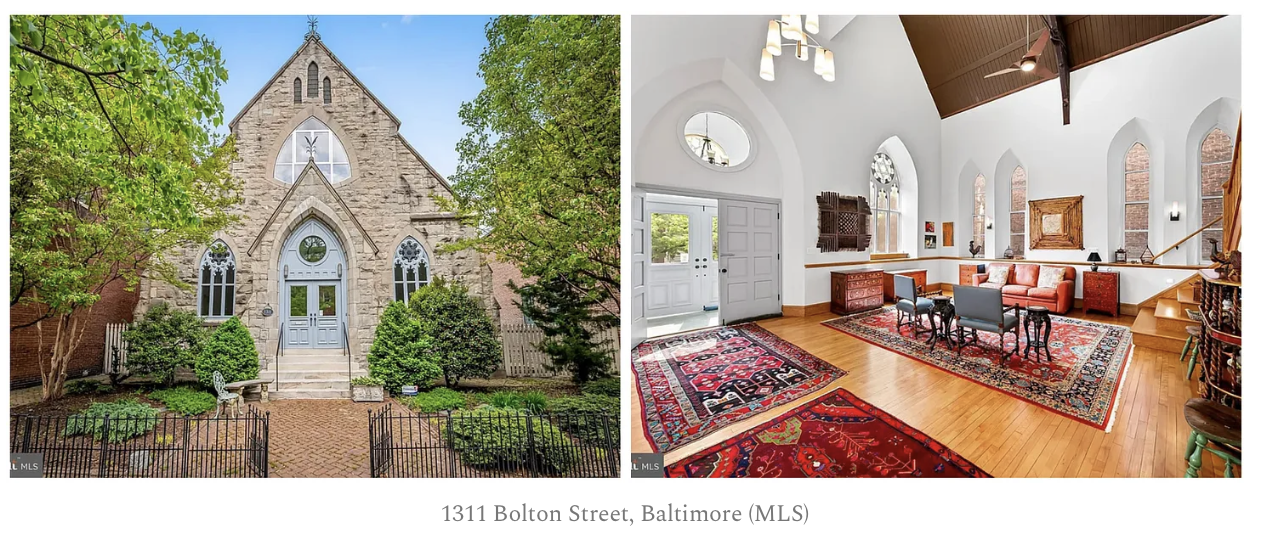
The simplest conversions are the one-room chapels built for forty or so parishioners. They are house-sized and often tucked alongside other single-family homes. They tend to be warmer, better lit, and easier to maintain (as far as churches go). They even come with the high ceilings and open layouts that homebuyers desire. A lot of these were converted decades ago, but there are still some hanging around, especially in smaller towns.
For multifamily projects, you are looking at churches that seated 150 parishioners or so. Large enough to diffuse fixed costs over multiple units, but not so large that the interior volumes are unusable. Neighborhood matters— go where they appreciate what you are trying to do. Some communities would love to see a disinvested church become something new.
“Let There Be Light”
Churches are echoey and dim and have a lot of cold, hard surfaces. Humans don’t love living in places that are echoey, dim, hard, and cold. So windows and a good lighting plan are important. At Strawbridge we lowered the sills on all existing hopper windows to bring in a bunch more light without changing the facade. When it comes to lighting, you can get dramatic. Washing light on a stone wall, spot lighting the truss work, getting some showpiece chandeliers and sconces—stuff that would look insane in a normal apartment is very much in play here.
As for echoes, go heavy on soundproofing materials like extra drywall, rock wool, acoustic sealant, and resilient channel for vibration. Your goal is to increase sound isolation between the apartments, not necessarily within them. People enjoy their own reverberations, just not the reverberations of neighbors.
Inevitably the most usable rooms in your church will be ancillary rooms like offices, classes, kitchens, dining areas, and rectories. They have good interior volumes, access to windows and doors, and fewer challenges with lighting and noise. Churches that are dominated by a single enormous assembly area will not make good apartment layouts.
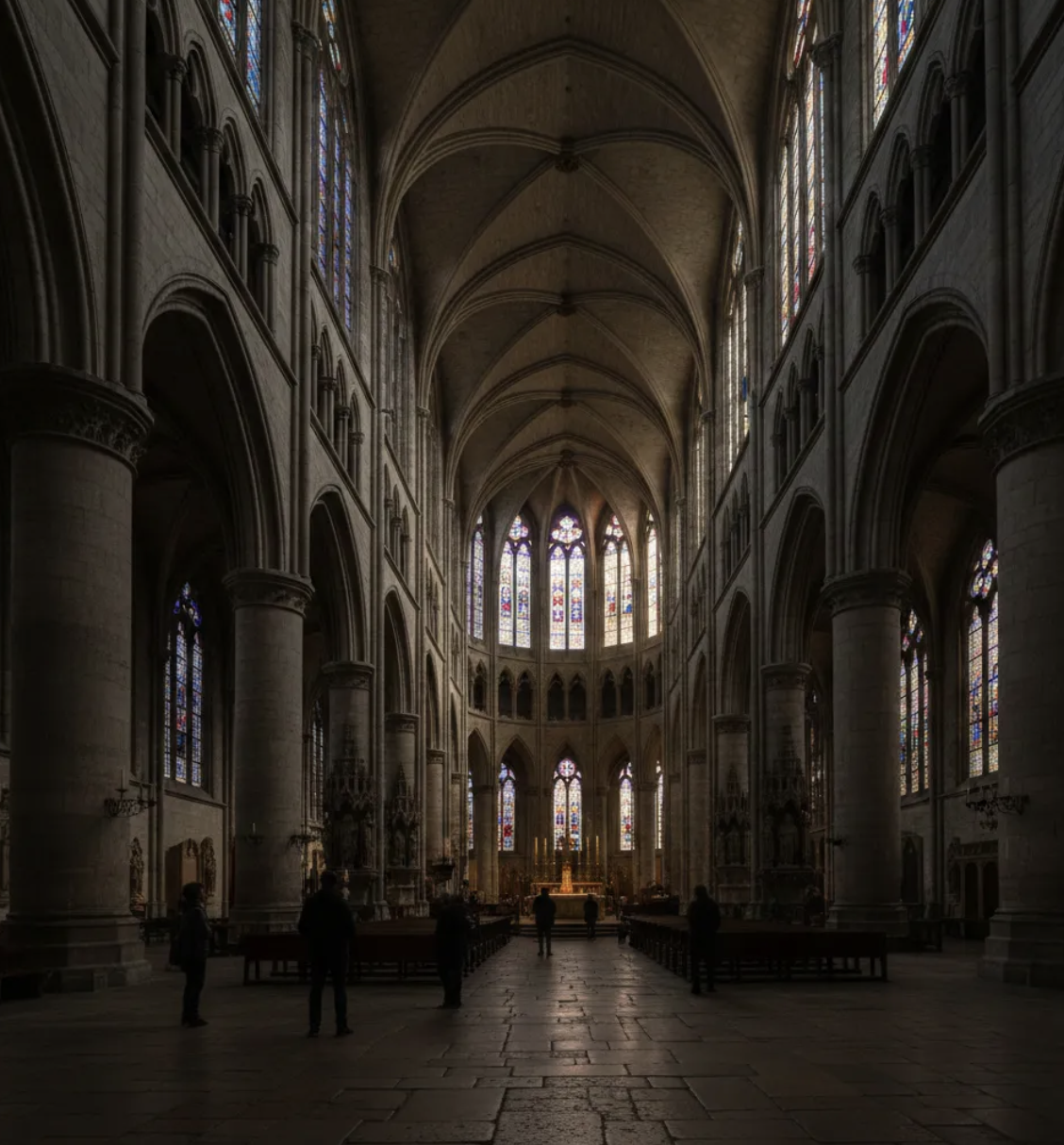
So we carve this big area into fifteen rooms. Hear me out.
Is Not This The Carpenter?”
Your construction team will need to be very good at solving puzzles. How does the drywall guy feel about hanging sheetrock 40 feet up in a scaffold? Will the plumber core drill through 4’ of stone wall? How will the roofer handle the belfry tower? How will the stained glass window guy—do you have a stained glass window guy? Gird yourself for a lot of pre-bid site walks.
Behold, I Will Do a New Thing
It is not a standard apartment complex, do not market it like one. Be transparent about life in a historic building. It’s not for everyone. Your leasing agents will find the tenants who are excited for something unique.
The real estate development industry is not exactly a hotbed of innovation. When you try something different, share your experience and lessons (maybe write a substack post about it). It is encouraging to see developers embracing these types of adaptive reuse. These buildings are worth saving.
In the next post: historic tax credits.
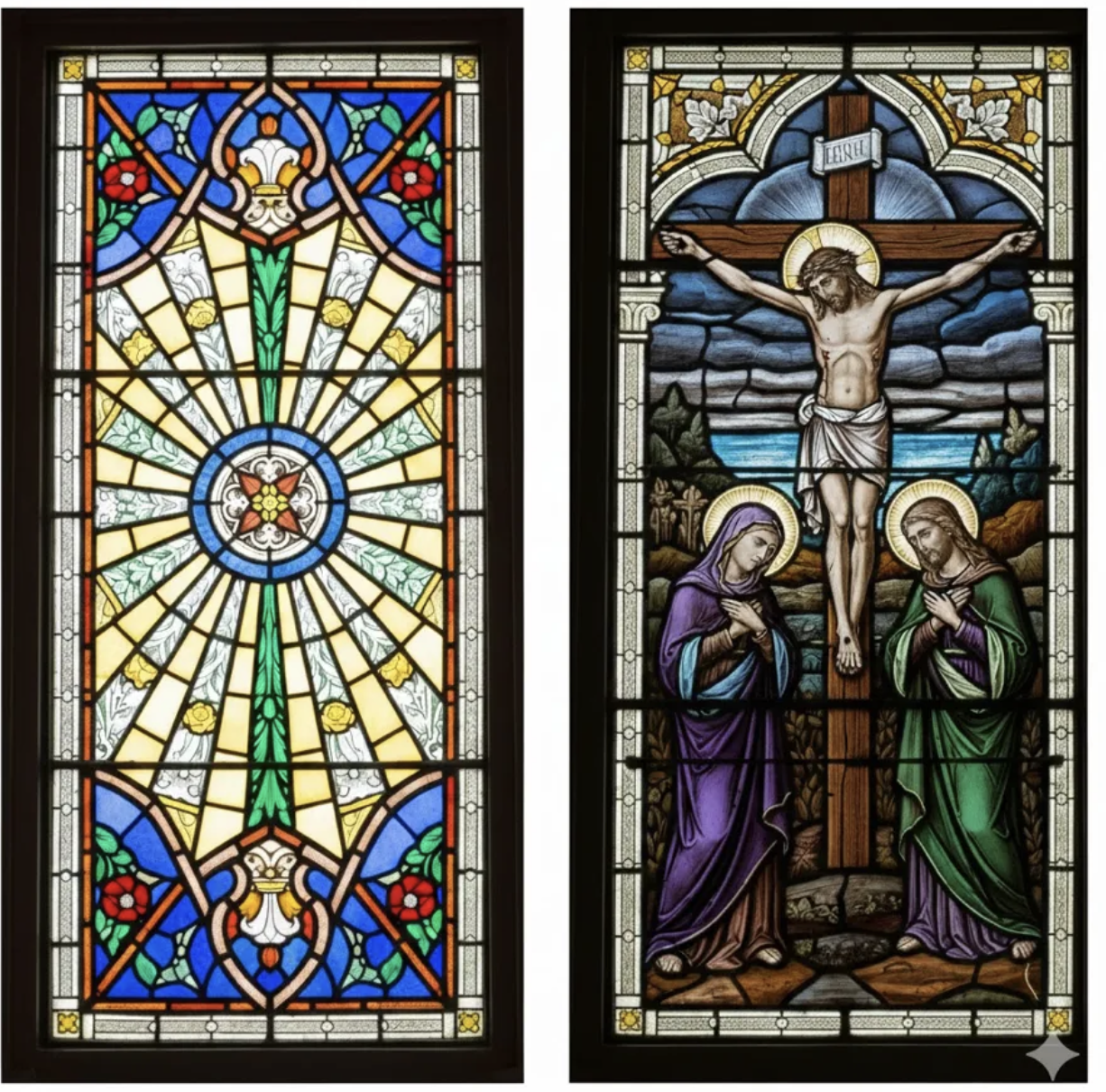
Left: tenants will enjoy waking up to this. Right: more of an acquired taste.