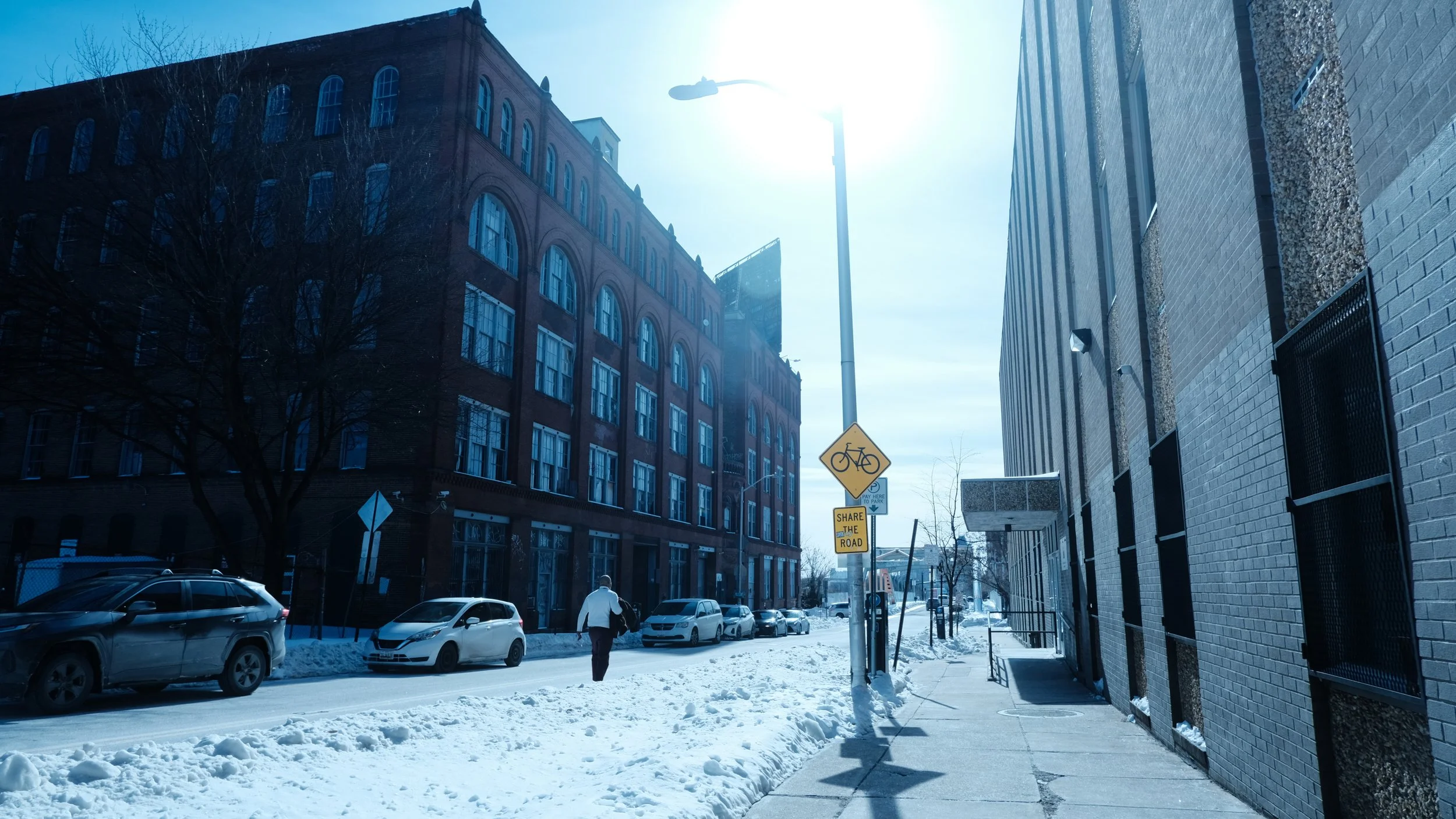
Who killed the Copycat?
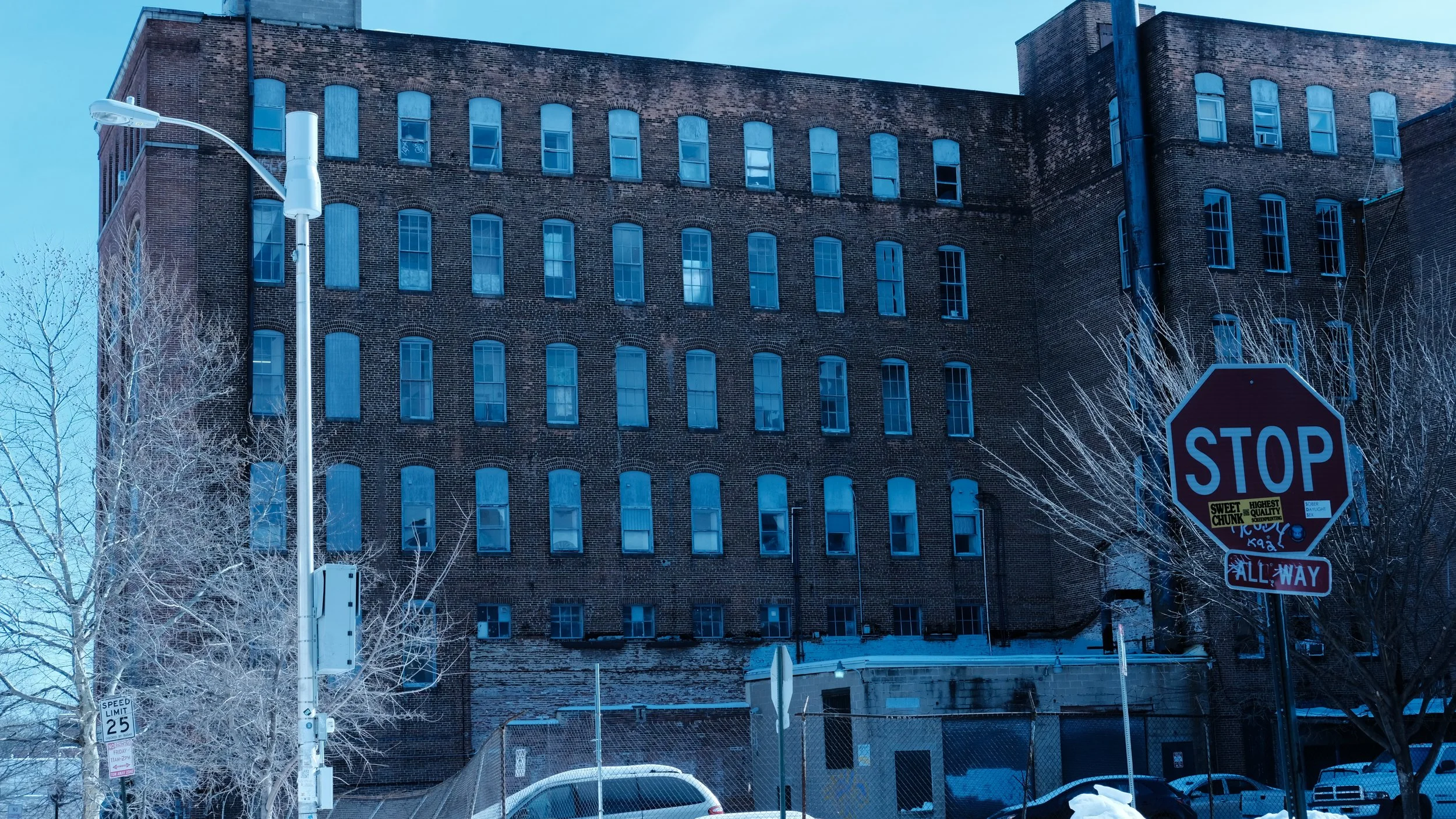
On January 30, 2008 the City Paper addressed rumors that an investor was purchasing the Copycat. Somebody called the owner Lankford and obtained this prescient quote:
‘There is no imminent sale of the building’ Lankford says from his Florida home. He says he’s got ‘a few irons in the fire,’ and he’d be willing to sell the Copy Cat for the right price, or find an investor who can chip in the money he needs to upgrade the building. But he’s had deals for the sale of the building fall through before, and “that building is not sold until I sit at a table and money and title change hands. Until then it doesn’t mean shit…until then it is contemplation.”
Eighteen years of contemplation later and the Copycat is still for sale.
Six factory floors of apartment complex, concert venue, studio space, recording studio, indoor skate park and whatever the hell else it wanted to be, the Copycat was Baltimore’s Kunsthaus Tacheles. Residents did their own carpentry inside the cavernous open units and the building itself was a kind of collective artwork.
Also, it was dysfunctional and dangerous. Ovens didn’t work, showers didn’t run. The elevators constantly broke down. The sprinklers were largely decorative. The place was infested, and cold as hell in winter. No part of this building could have passed a real housing inspection.
And yet for years, building inspectors looked the other way.
The Copycat rested on an unsung compromise between the artists, owner, and the city:
Artists accepted rough conditions for a space they could afford and make their own.
The owner got to avoid millions in necessary renovations and relocations to bring the building up to code.
The city got a cultural center in its most disinvested neighborhood— a “vibrant and interconnected community of artists.”
At the time everyone understood a basic truth: that to reach even the baseline standard of “decent, safe, and sanitary housing,” the Copycat would need a massive renovation on the order of tens of millions.
…that there was no version of a fully code-compliant Copycat that could still function as cheap housing and studio space for artists and musicians.
But if the city didn’t press full code compliance, if the building could operate in a gray area, then everyone could what they wanted.
Baltimore had other versions of this: the H&H, the Annex, the Bell Foundry.
As did many other post-industrial cities.
Berlin is the poster child for this style of housing. After the Wall fell, artists and squatters move into the husks of East German buildings and stayed for decades. German planners even had a word for it: zwischennutzung.
The word means “interim use” but what it really describes is this improvised, artist-led approach to adaptive reuse that precedes gentrification.
We didn’t have a word for it in Baltimore, but thats what the Copycat used to be.
In the 80s and 90s, when Lankford first started renting to artists, the building was still zoned for industrial use only.
Of course the city knew people were living there, but they didn’t see it as a problem to solve. Enforcement is always discretionary until it is isn’t.
In 2003, the Copycat got post-hoc residential zoning through a PUD ordinance. But the real challenge was getting the building up to code.
As the City Paper said:
Making live-in studios a legal reality requires infrastructure and safety upgrades. At the Copy Cat building this has meant replacing some 5,000 sprinkler heads, updating the fire-alarm system, installing new fire doors, venting all interior bathrooms, and other improvements….’Rents are going up because we have to recoup the money we’ve spent’ Lankford says. ‘But we’re not going to change our tenant base. We still want to cater to the artist crowd, and that ranges from students—where two or three people share a space—to recent graduates to art school teachers.” (emphasis mine)
I wasn’t in that room in 2003, but it’s easy to imagine some kind of mutual understanding was reached between DHCD and Lankford.
Full code compliance would be the death of the Copycat. Presumably nobody wanted that.
Station North had just won its arts district designation. MICA was expanding to North Avenue. Back then there was some hope that Station North could see an artist revival on the order of Provincetown, RI in the 1990s. But it needed all the help it could get.
An unofficial agreement was reached. The city would issue a rental license if Lankford agreed to fund some improvements but not on the scale that would push costs (and therefore rents) so high that the art community would be displaced.
It sounds like the whole building just had one rental license, rather than unit by unit registration.
Maybe that sounds like a sleazy backroom deal? But back then, agreements like this were possible because there was more trust between the parties. Trust in DHCD to make case-by-case judgments. Trust in artist/tenants to take responsibility for their own choices where to live. Trust that people would behave like adults and work together accordingly.
I spent time in the Copycat back then. Yes it was rough. It was uncomfortable. I was happy to hang out there, watch a show, and return to my apartment on Bolton Street. But I think the informal agreement of the Copycat was actually working. The people who lived there seemed to understand and accept the added risk. They were happy to have a place like that and they were sad to see it go.
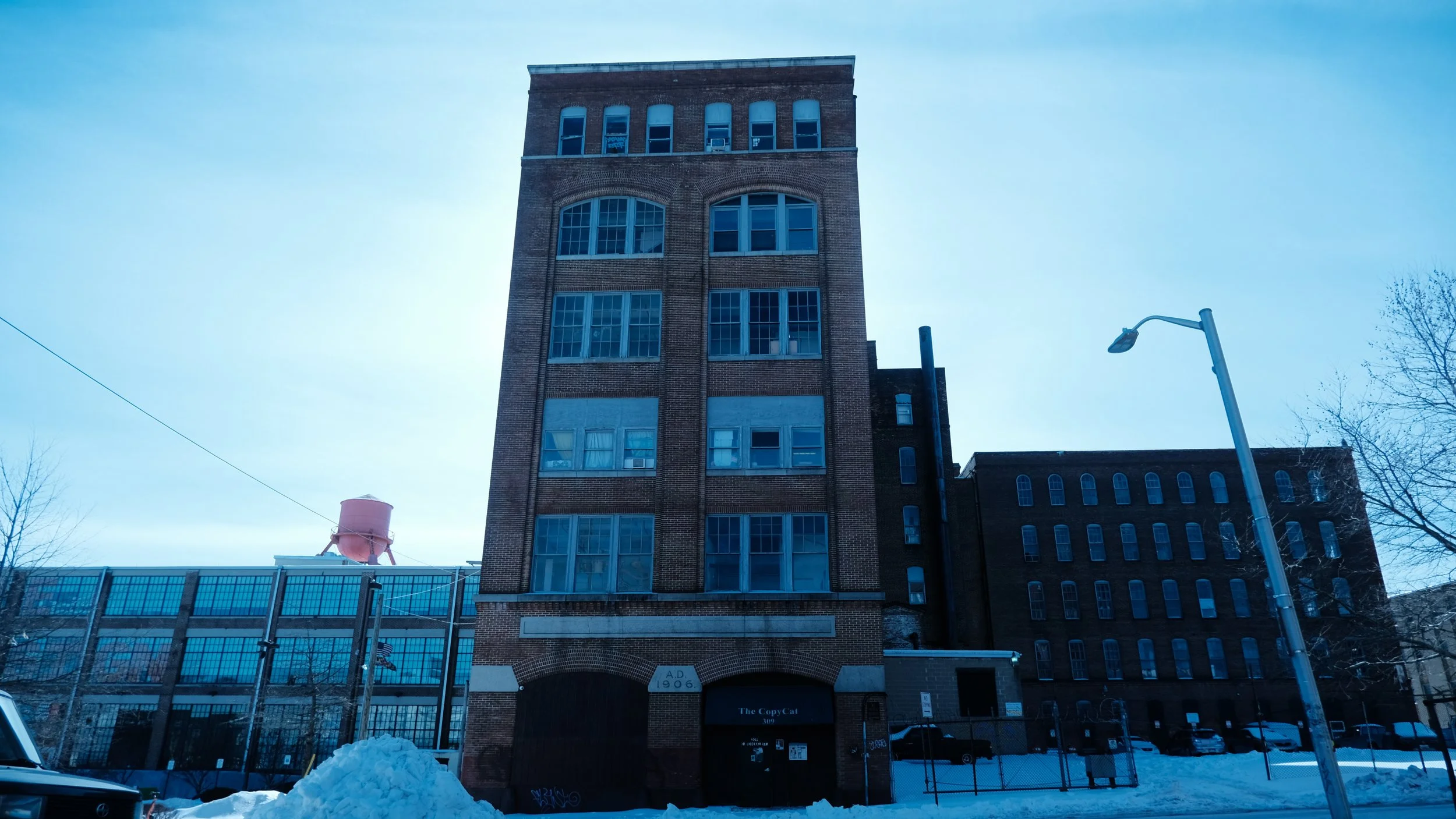
Then, in 2016 came the Ghost Ship fire in Oakland. A fire broke inside a 10,000 SF warehouse-turned-apartments.
The fire started during a packed concert. There was so much furniture and carpentry inside that the Oakland fire department chief later testified “it was like a maze.” Firefighters could only advance, zig zag, about 20 feet into the building. Tragically they were unable to rescue anyone. Thirty-six people lost their lives.
The lack of fire safety was criminally negligent. The building’s tenant/operators pled no contest to 36 counts of involuntary manslaughter.
Mayor Pugh seemed to think the Copycat and other arts buildings were a Ghost Ship waiting to happen.
She set up a task force on Safe Arts Space. DHCD quickly shut down the Bell Foundry. The Mayor’s executive order expressed that: “Displacement of any individuals residing or working in the property can only be avoided if remaining in the building poses no imminent threat to life or safety.”
In other words, the building officials and Fire Marshall would have to sign off on all this. Old arrangements would not be respected.
In 2018 the Lankford’s attempted to transfer the building’s ownership to an LLC. That triggered the loss of the rental license, and there was no way the city was giving it back.
Code enforcement stated to cite violations for illegal housing.
Besides the Ghost Ship problem, the city was already losing faith in the Lankfords as operators. The adult children were taking over management and the loss of an original counterparty may have changed their view of the risks. Plus the LLC transfer itself likely raised alarms. If the building was under a holding company the city might lose track of its true owners.
There was nothing left to do except evict everyone and renovate the entire building, or sell to another investor who would.
Evictions for unpaid rent dragged through the courts for years, through the pandemic, until the last tenants were gone in early 2024. The tenant union argued that they could not be evicted because there was no valid rental license.
The irony was that the only way to get a rental license now was to evict the tenants.
With the old arrangements gone, landlord and tenants resorted to blaming each other.
What people really wanted was the old zwischennutzung back.
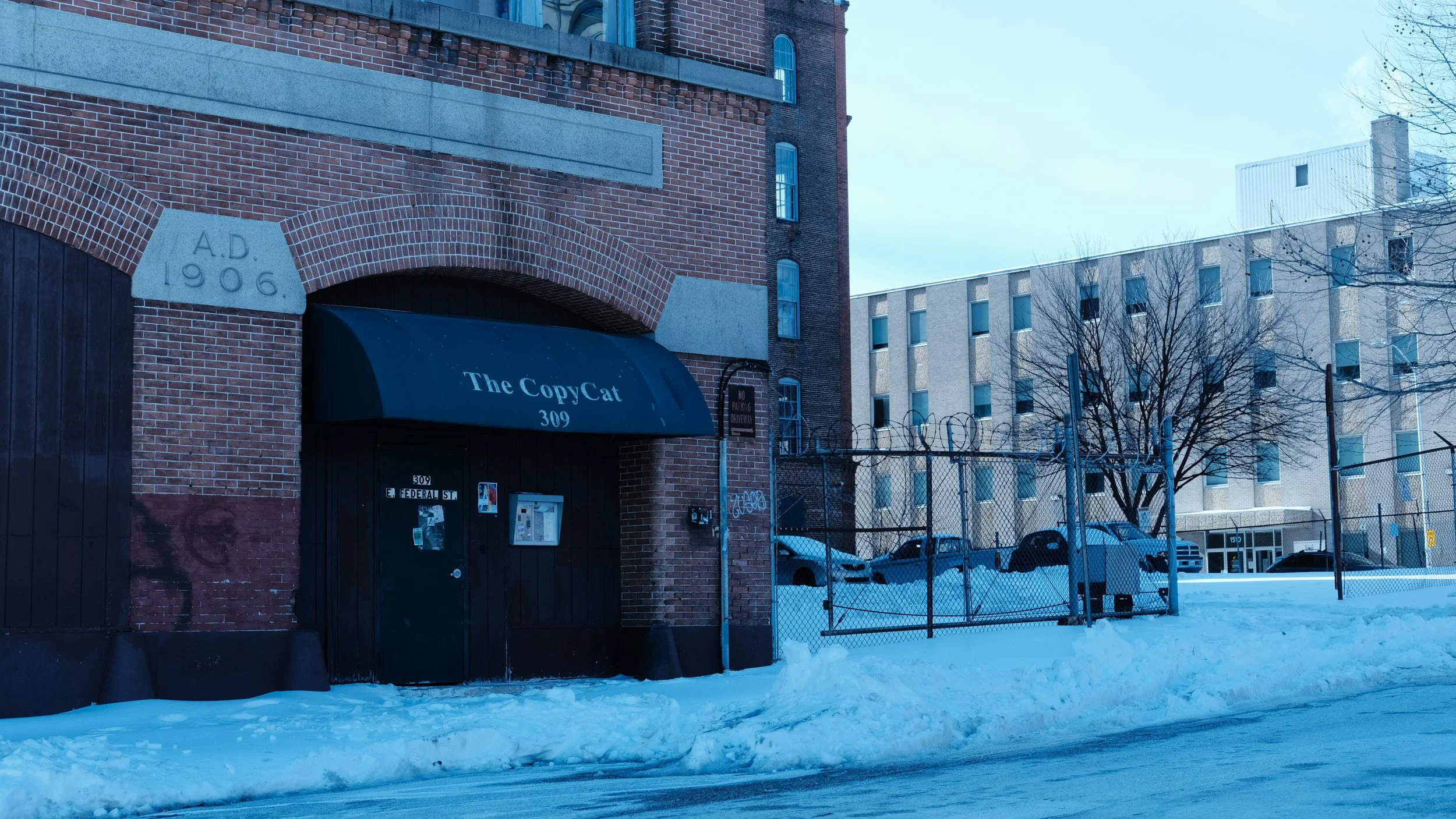
Could the owner and tenants have persuaded the city to restore the rental license?
Probably not. There was so much mistrust and acrimony, so much political exposure, and Mayor Pugh had clearly run out of patience with the experiment. If anything the nastiness of the legal battle just made her decision feel justified.
The final result: 265,000 square feet of long-term vacancy and many more years of contemplation.
Maybe after $70+ million renovation we can get condos or mixed-income apartments someday.
I liked the Copycat so it’s hard for me to accept that it had to end that way.
We are raising our standards for decent and safe housing.
But the unintended consequence is that we have lost the Copycat, the Annex, the Foundry Lofts, and many buildings that made Baltimore unique.