Baltimore’s Ethiopian Chinatown
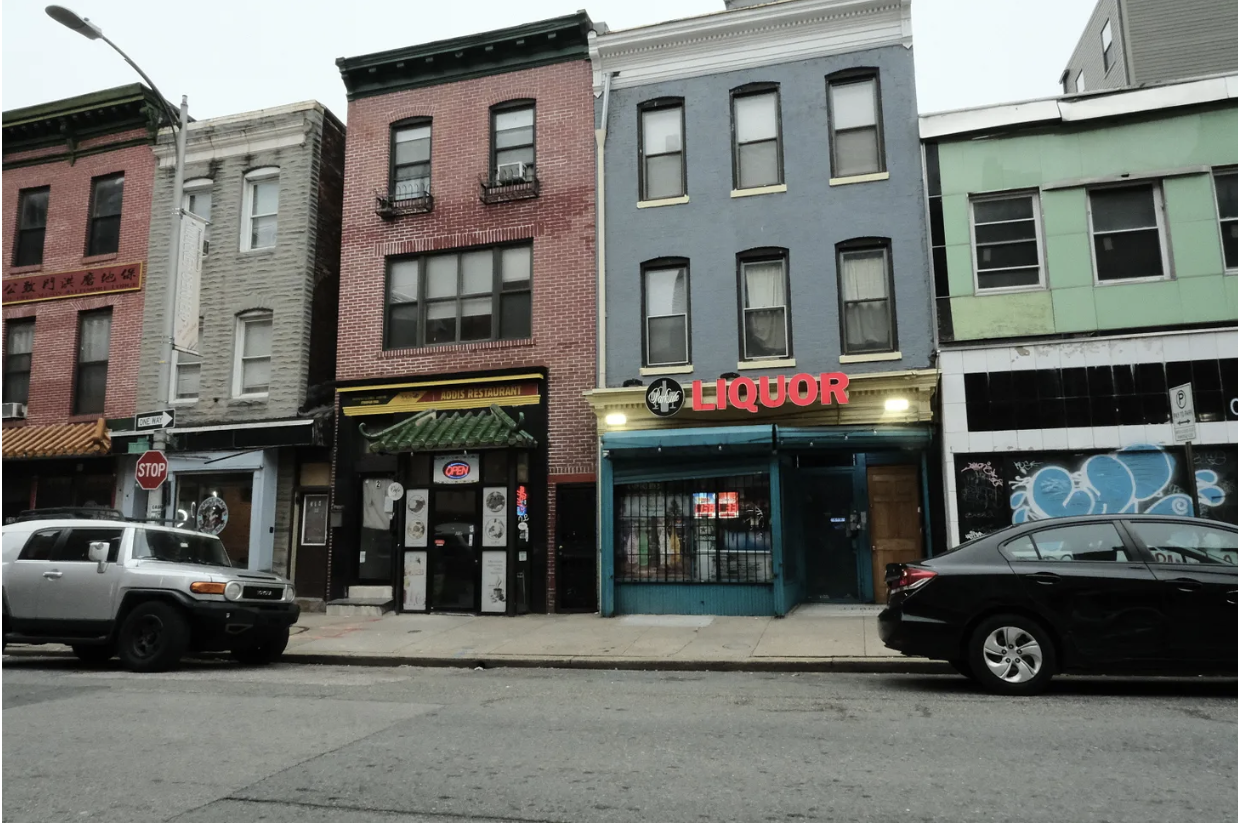
This is a photo of 316 Park Avenue, with an awning of jade green ceramic tiles, reminiscent of the tongwa筒瓦 half-cylinder tiles in China. Inside, guests were having firfir, awaze tips, and wads of spongy injera. The air was filled with the aroma of spiced lentils.
Welcome to Ethiopian Chinatown.
The 300 block of Park avenue is a landing strip for Baltimore’s newcomers. Once it was Chinese restaurants, grocery stores, and civic groups. Now it is Ethiopian cafes and markets.
The storefronts may change from mandarin to amharic, but the job doesn’t change.
The China part of Chinatown has dwindled since the mid 20th century. We still have Po Tung Oriental Grocery, but they are among the last Chinese businesses in the area.
The building on the left of the photo, with the golden tile awning, was the Chinese Freemason Lodge. Right after taking this photo I was welcomed inside for a glass of baijiu. There is a meeting room with photos of the members and a joss house shrine.
See the building on the right with the seafoam green color? That’s the former White Rice Inn.
It was a go-to spot after St. Alphonsus mass, or a movie at the Mayfair, or an afternoon shopping at Hutzler’s. Many kids had their first taste of fried wontons, egg rolls, and shrimp toast here.
If they weren’t ready for that culinary experience the chef might make them a hamburger.
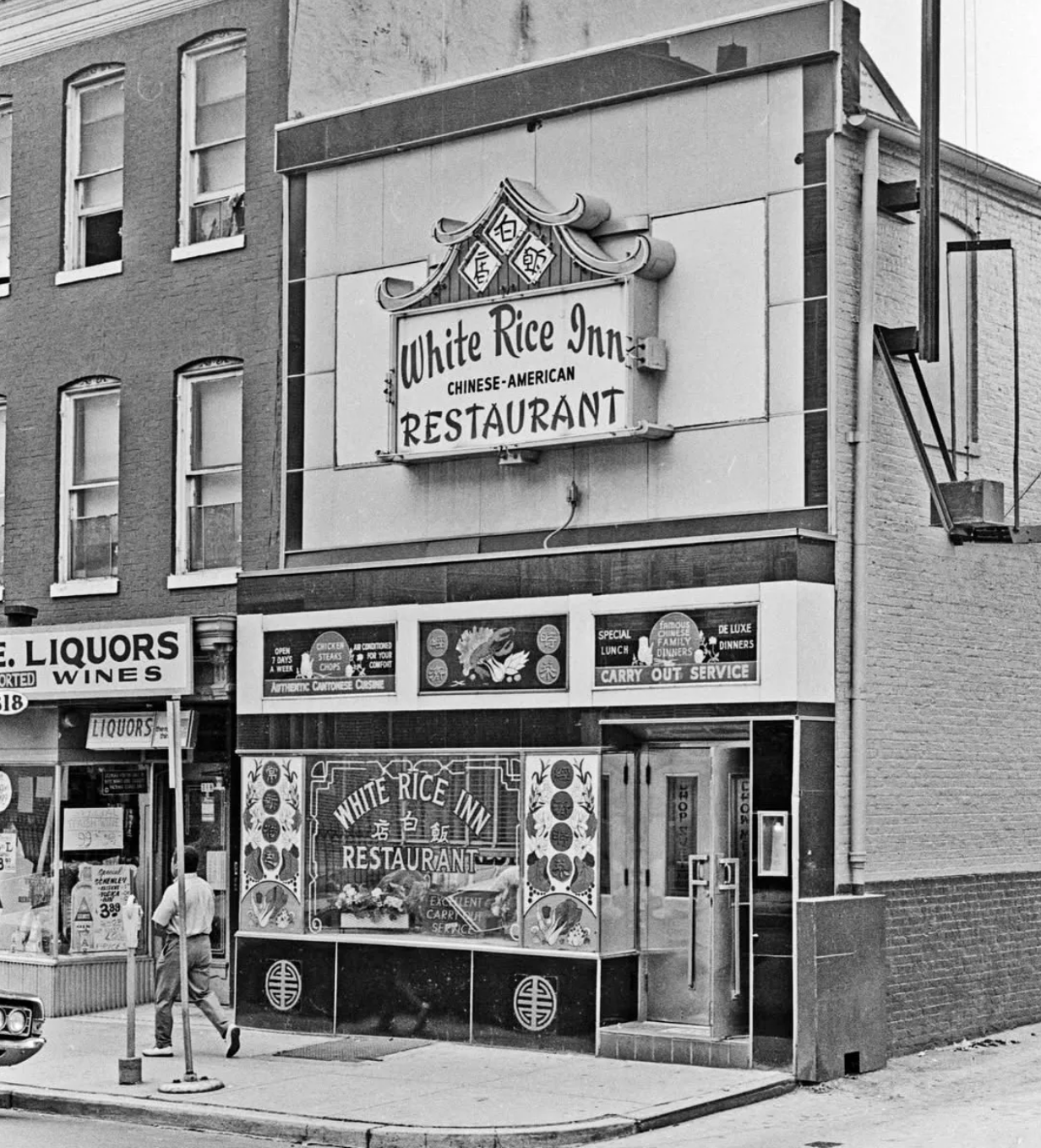
The White Rice Inn was around for decades. It was later a great after-hours spot after a night at the bars.
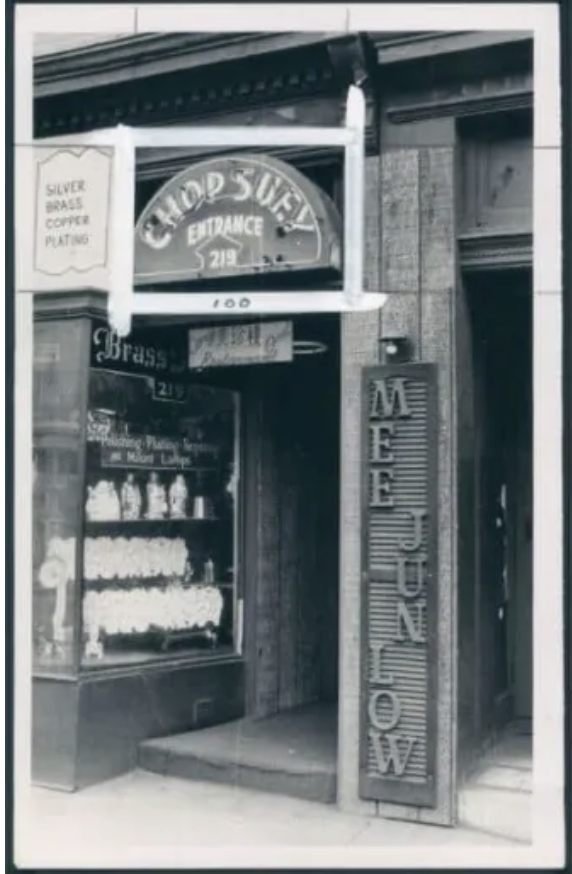
The other cherished restaurant was Mee Jun Low’s—one block away, above an antique shop on Mulberry Street. That was more cramped and informal, but the dishes were affordable and skillfully made by Mr. Mee.
Obviously every Baltimorean had their own opinion on which restaurant was superior.
I was too late for the White Rice Inn or Mee Jun Low. But I did have the Chinatown Cafe (323 Park Avenue), the only Chinese restaurant that was ever spared from the City Paper’s venom.
In 2006 the daily lunch specials were $3.75 and included shrimp dumplings and braised scallops.
That location later became Zhongshan’s, where my wife and I would go for dim sum. Sadly now gone too.
At that time Park Avenue was starting to become more Ethiopian. You could hear Amharic on the street.
In 2015 Tabor Ethiopian moved into 328 Park, purchasing the building from Wes Moore. It was a hit with the Hopkins crowd.
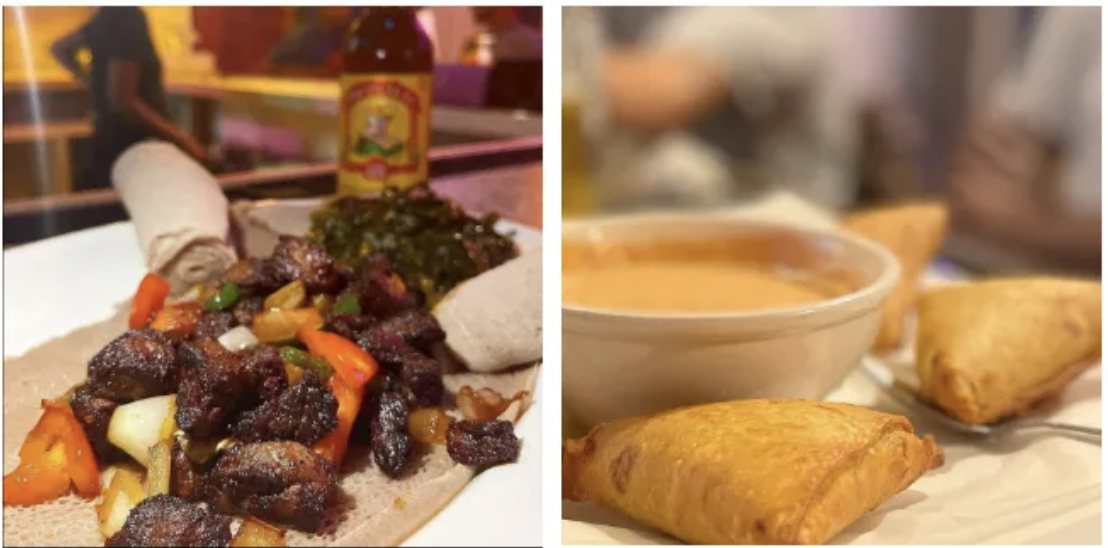
Tabor’s tibs and sambusas
The Abient Ethiopia market opened next door to Tabor. Soon we saw Ethiopian-owned hair salons, hookah bars, and other businesses.
Not that the Ethiopian business community was contained to the 300 block. In other parts of the city we have an Ethiopian coffee importer and, a few blocks the other direction, the Ethiopian Community Association which hosted an Ethiopian Day cultural festival. On Maryland avenue, the DC-based Dukem has been a fond restaurant for years.
My brother and I purchased and renovated 316 Park Avenue in 2017. It had once been owned by a local branch office of the Kuomintang.
Our tenant is Addis Ethiopian. They have beautiful vegetarian dishes, doro wot, and freshly roasted buna coffee and popcorn.
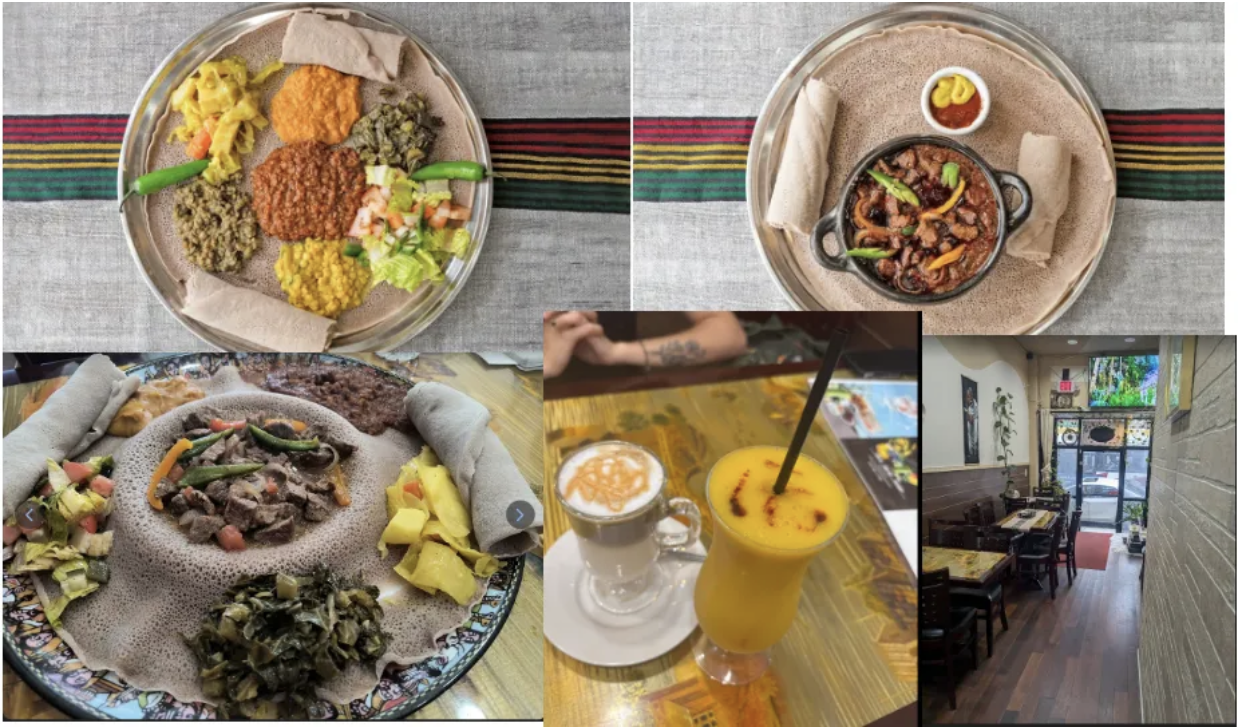
Source: Addis Ethiopian
I think the folks who want to “resurrect Chinatown” are well-intentioned, but overlooking that Chinatown is Ethiopian now.
It’s a positive story. Chinese families did well on Park Avenue, overcame struggles, discovered new opportunities, and left their ethnic enclave by choice.
Newly arrived Ethiopians saw the falling rents and rising vacancies as a business opportunity. They were willing to take an entrepreneurial risk on a block where others were not.
Most importantly, times can change, and the changes can rhyme. A generation of Baltimoreans still come to Park Avenue to try a new cuisine for the first time. And argue about which restaurant is best.