Laurie Feinberg
Laurie Ruth Feinberg died at her home in Oakenshawe last month, age 68. Without her we would not have a new zoning code in Baltimore. It took ten years, from 2006 to 2016, the last four of which were very much a journey-into-Mordor type situation, and as assistant planning director Laurie had to carry the ring through dozens of public input meetings, council hearings, and over seven hundred different amendments.
Our zoning code had not been dusted off since Reagan was president and was chock full of references to liveries and chattel houses, which frankly had aged better than the ‘70s vision of car parks, single-use neighborhoods, and preservation of heavy manufacturing.
Councilmembers and their constituents battled over, among other things, the definition of a “family,” the proper height of a building in Fells Point, special zoning for Port Covington, Roland Park parks, and whether Highlandtown was a residential area with industrial spots or the other way around.
On many occasions, councilmembers decided to declare war against the bill. Mary Pat Clarke tried hard to kill the “neighborhood commercial establishments” category. And, at the last moment, Nick Mosby dropped a 60-page amendment which inexplicably created two liquor boards and enough alcohol proscriptions to send restaurant owners into a panic.
Most of these conversations would start productively but then go down long, code-enforcement tangents until people were going on about dogs without leashes or the difference between a community garden and a vacant lot where someone had planted a tulip. Sometimes it felt like the purpose of a new zoning code was to outlaw neighbors you dislike.
Feinberg continuously and patiently reminded people that zoning sorts uses, not people. Zoning can govern your neighbor opening a liquor store, it cannot govern whether he’s an asshole.
Using much better words, she taught this in dozens of rooms all over the city. Laurie had a style that was straightforward without bruising egos. She pressed that the city’s mission should be a system that was easier to understand, more predictable, and less political.
After four years of fatigue and frustration, we watched helplessly on CharmCity TV as a lame-duck council decided to throw the entire thing into procedural suicide. There was public outcry to pass something, and Laurie refereed a chaotic dash, making and striking amendments, maps, and definitions so rapidly that it would take a few clean-up amendments just to make everything legible. Finally Rawlings-Blake signed it before midnight on her last day of mayorship.
That’s how we got a zoning code that promotes redevelopment of existing buildings, mixed-use projects, walkable neighborhoods, and special-purpose zones for universities. Since then we’ve made it stronger. In November last year Mayor Scott signed laws removing off-street parking requirements, reducing setbacks, and eliminating secondary stairwells—none of which would have survived a public hearing in 2016.
It’s amazing what you can accomplish if you do not care who gets the credit.
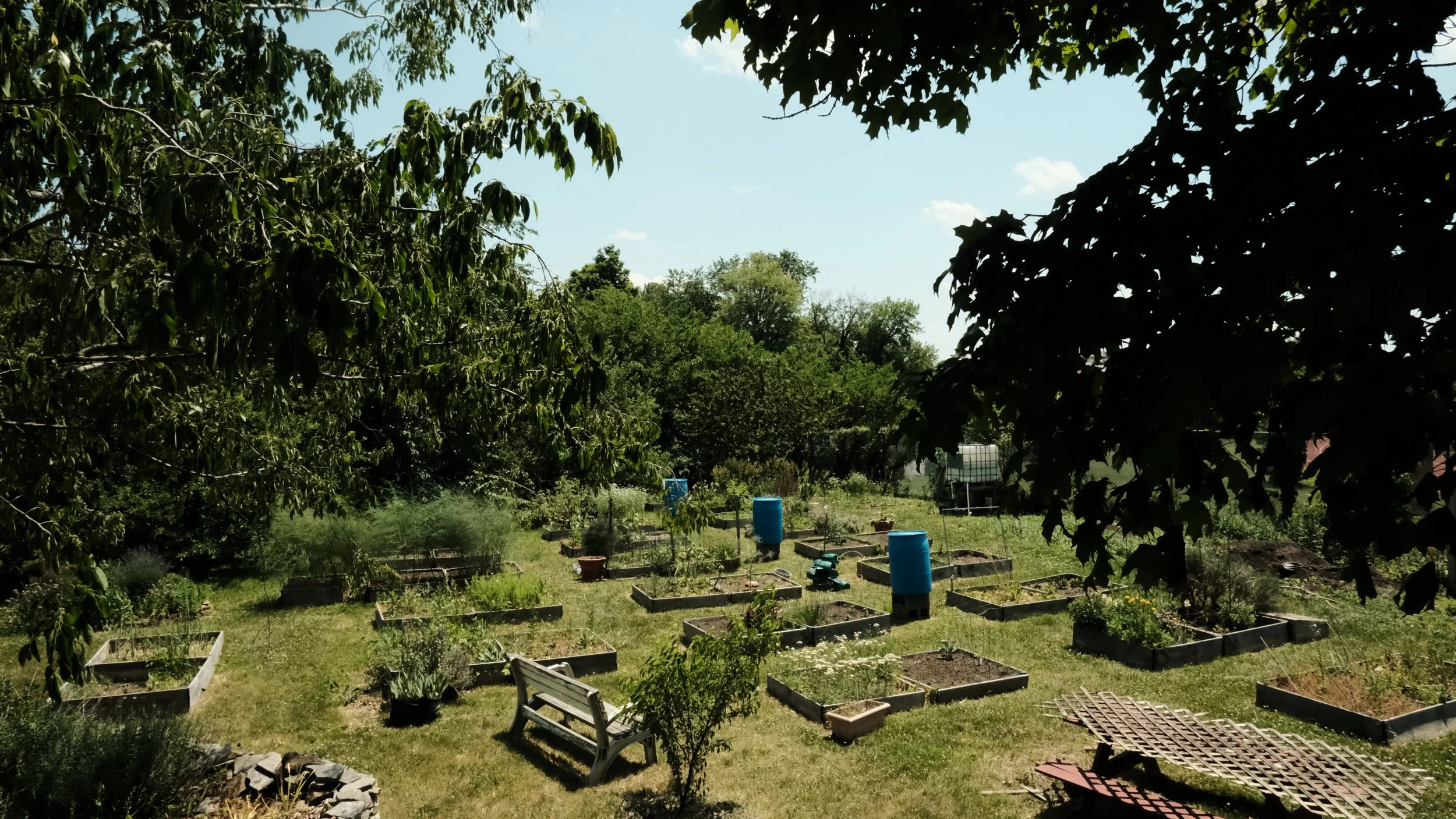
JHU community garden at Eastern, created by Laurie.